How to Get a Clinic License in Ethiopia: Steps, Papers, Renewal
Clinic license requirements in Ethiopia, current to November 2026: who issues the certificate of competence, the order of steps, the documents, the inspection and yearly renewal.
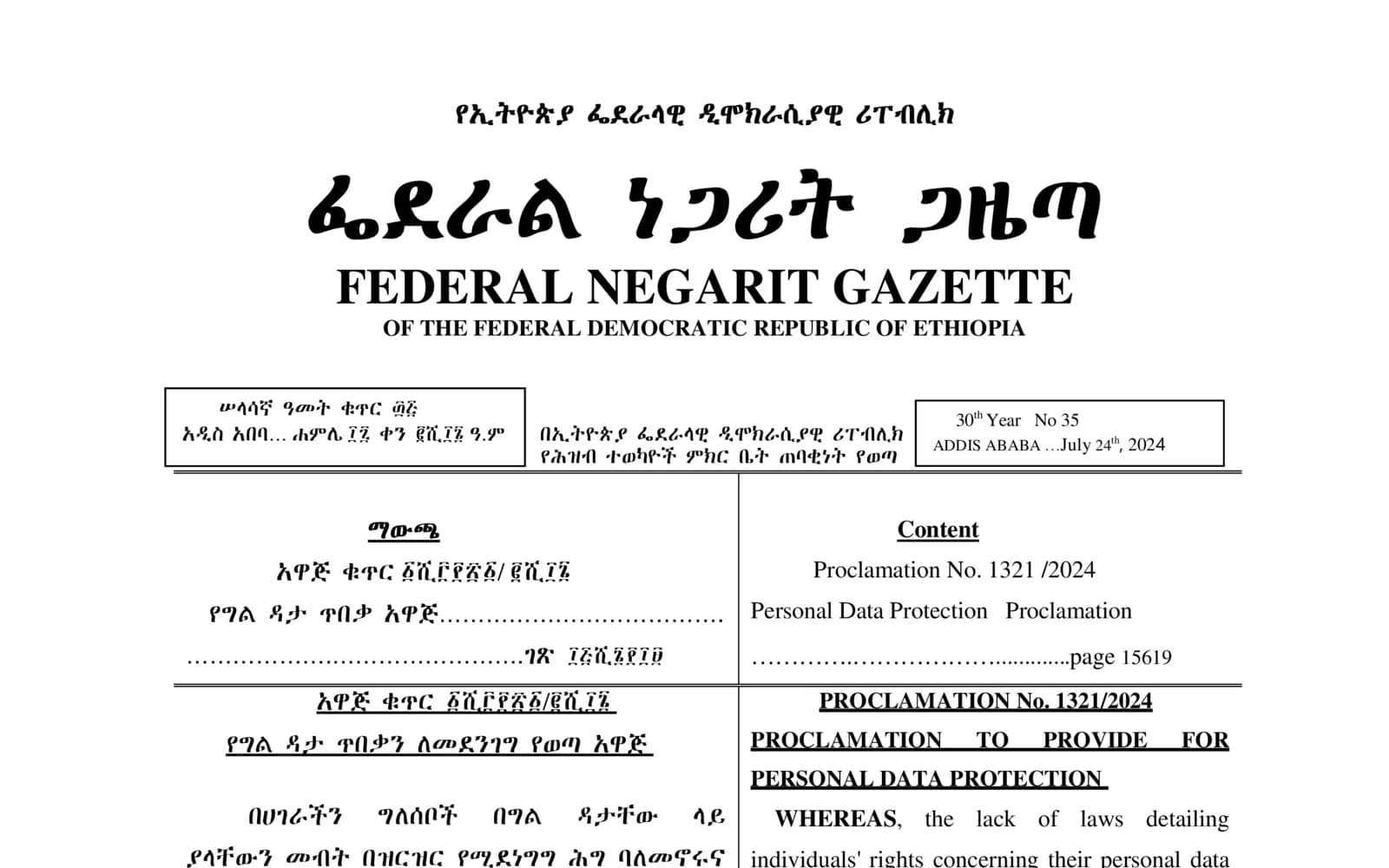
A clinic license in Ethiopia is a certificate of competence for the health institution. The Health Service Administration and Regulation Proclamation No. 1362/2024 says every health institution must be registered and must hold one. You get it from the health regulator of the city or regional state where the clinic will operate. The Ethiopian Food and Drug Authority (EFDA) does not issue it.
The requirements come down to four things. You need premises built to the standard for your type of facility, licensed professionals on your staff list, an application filed well before opening day, and a pre-licensing inspection that you pass. You also need a trade license from the trade office. In Addis Ababa, at least, you then renew the certificate every year after another inspection.
One thing changed only weeks ago. In Addis Ababa, certification of health institutions is moving from the Addis Ababa Food and Drug Authority to the city's Health Bureau, as part of a city restructuring that the Health Bureau's head says took effect in late October 2026. If your paperwork, or your consultant's advice, dates from before October 2026, check which office now takes your file.
Who issues a clinic license in Ethiopia?
It depends on where the clinic is.
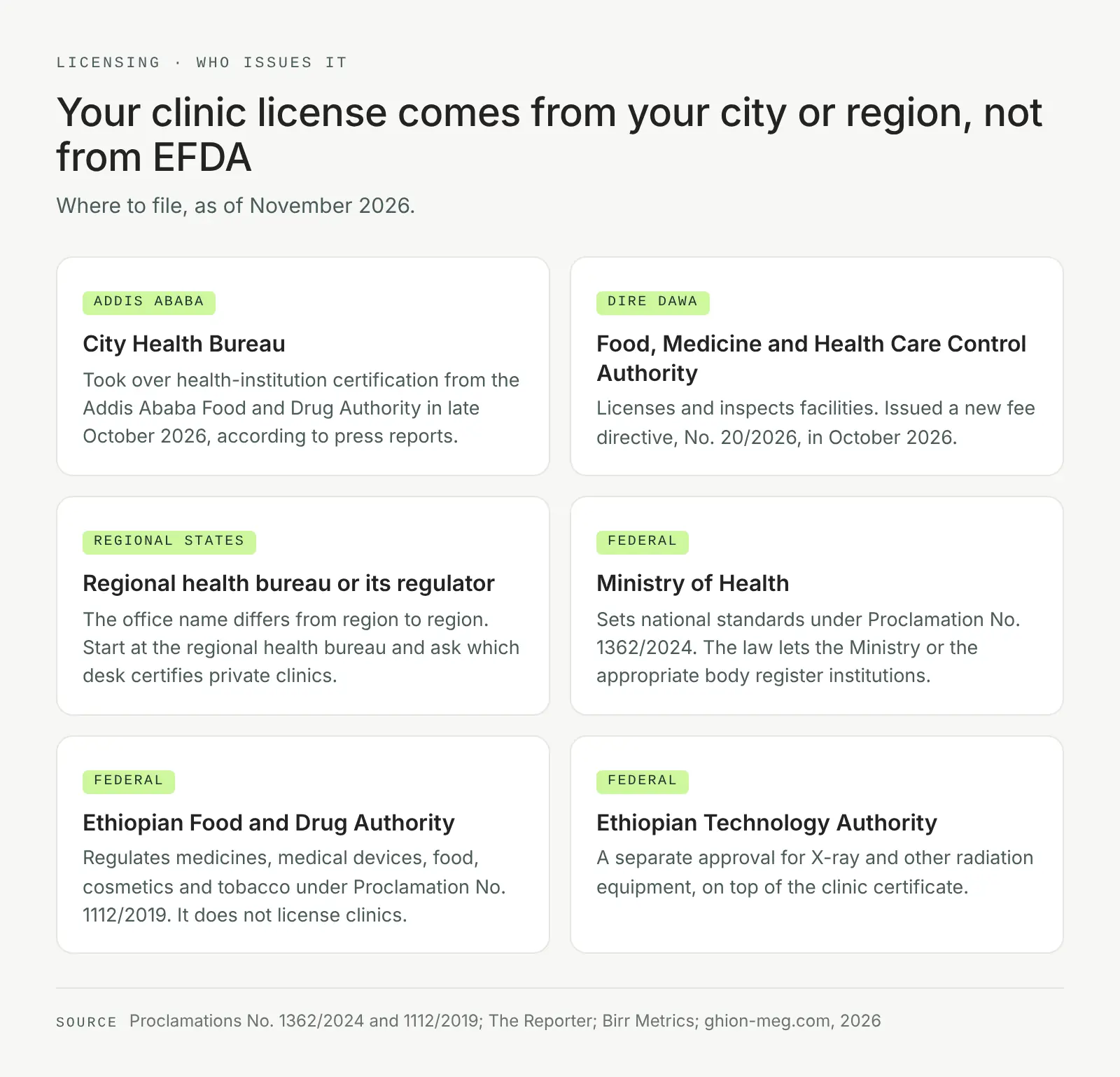
The Ministry of Health writes the national rules. Proclamation No. 1362/2024 says a health institution must be registered by the Ministry "or an appropriate body" and must hold a certificate of competence. In practice, private clinics deal with their city or regional regulator, as the examples below show.
EFDA regulates products, not clinics. Under the Food and Medicine Administration Proclamation No. 1112/2019, EFDA's job is food, medicines, medical devices, cosmetics and tobacco. It still matters to you, because it regulates the medicines and devices you buy. But it does not license your clinic, and an application sent to EFDA will not get you a certificate.
Addis Ababa: the Health Bureau, since late October 2026. For years the Addis Ababa Food and Drug Authority (AAFDA) certified the city's health facilities. It began as the Addis Ababa City Administration Food, Medicine and Health Care Administration and Control Authority. In late September 2026 the city council approved a restructuring of the city's executive bodies. Birr Metrics reported that certification of health institutions and licensing of health professionals move to the Health Bureau.
FSX Business described the same package on 1 October as a draft proclamation that still had to complete the legislative process. Dr. Yohannes Chala, head of the Health Bureau, later told a press briefing that four responsibilities had moved from AAFDA to the bureau. The Amharic news site ghion-meg.com reported that the handover counts from Tikimt 18, 2019 in the Ethiopian calendar, which is 28 October 2026. When we checked, AAFDA's website still listed certification of health institutions among its services. Until the websites catch up, phone before you file, and keep a receipt for anything you hand in.
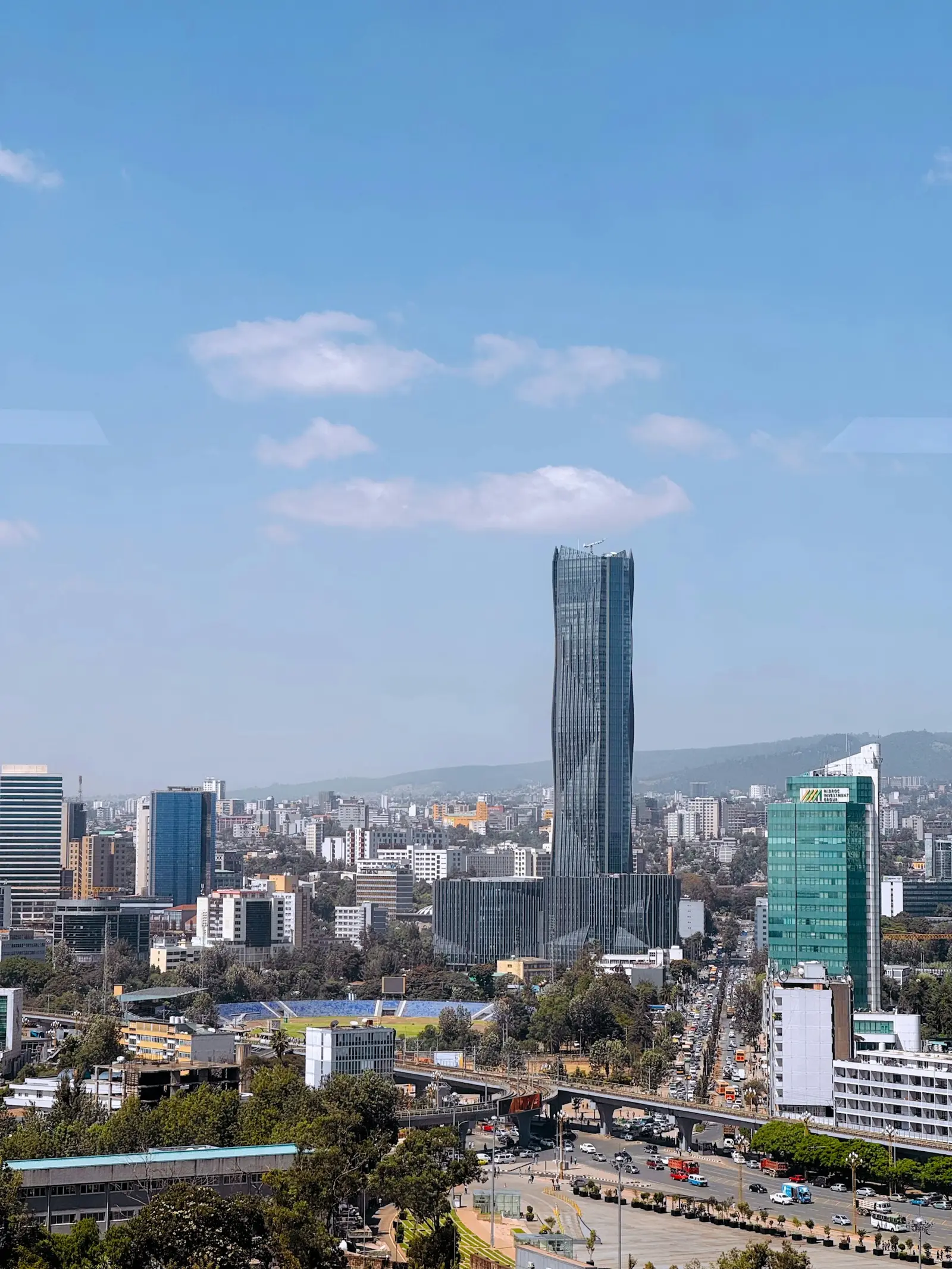 Photo: Fanuel Leul on Unsplash
Dire Dawa: its own authority. The Dire Dawa Administration's Food, Medicine and Health Care Control Authority licenses and inspects health facilities in the city. In October 2026 it issued Service Fee Directive No. 20/2026, with new tariffs for licensing, inspections and professional certification. The directive covers specialized clinics, diagnostic imaging centres, laboratories, health centres, drug shops and health posts (The Reporter).
The regional states: the regional regulator. Outside the two chartered cities, licensing sits with the regional state. Depending on the region, the licensing office may be the health bureau itself or a regional health regulatory authority that works with it. Dire Dawa's fee directive, for example, was issued by its authority but signed by the head of the city's health bureau. Start at the regional health bureau and ask which desk issues certificates of competence for private health institutions.
 Source: Ministry of Justice, Proclamation No. 1362/2024.
What law governs a health facility license in Ethiopia?
Proclamation No. 1362/2024 is the main law now. The government adopted it in January 2025, according to Resolve to Save Lives, which helped develop it. The Ministry of Justice lists it as in force, dated 20 May 2025. Its preamble promises an accountable, quality and accessible health service, and a more uniform way of regulating health institutions and professionals. It requires every health institution to be registered and to hold a certificate of competence, issued against standards set by the appropriate body. According to Ethiodata's summary, institutions must also meet national hygiene and environmental standards and set up quality-control systems. Ethiolex notes that it repeals the old Food, Medicine and Health Care Administration and Control Proclamation No. 661/2009 for the matters it covers.
The older rules are still all over the internet. Before 2025, clinic licensing ran on Proclamation No. 661/2009 and the Council of Ministers Regulation No. 299/2013 issued under it. Many online guides, wiki pages and copied checklists still describe that system. Treat them as background and ask your regulator which rules and standard it inspects against today.
The Ministry of Health has ordered a crackdown on unlicensed practice. In September 2025 the Ministry issued what it called a "No License, No Practice" directive. It told health offices down to district level to take "the necessary legal and administrative measures" against "any individual or institution that provides health service without a license or permit", and to report back regularly. The Amhara regional health bureau then passed the order to its local offices (The Reporter).
Fees have their own regulation. At federal level, fees are set by the Rate of Service Fees for Food, Medicine, Health Professional and Health Institutions Registration and Licensing Council of Ministers Regulation No. 370/2015. Cities and regions set their own tariffs, as Dire Dawa's new directive shows.
The inspection checks a facility standard. Ethiopia has separate standards for primary, medium and specialty clinics. Each one sets the rooms, staff, equipment and services that type of clinic must have. Our next post in this series goes through them. For this one, the point is simple: choose your type first, because everything after that is measured against it.
The clinic licensing process, step by step
 Source: Addis Ababa Food and Drug Authority, FAQ.
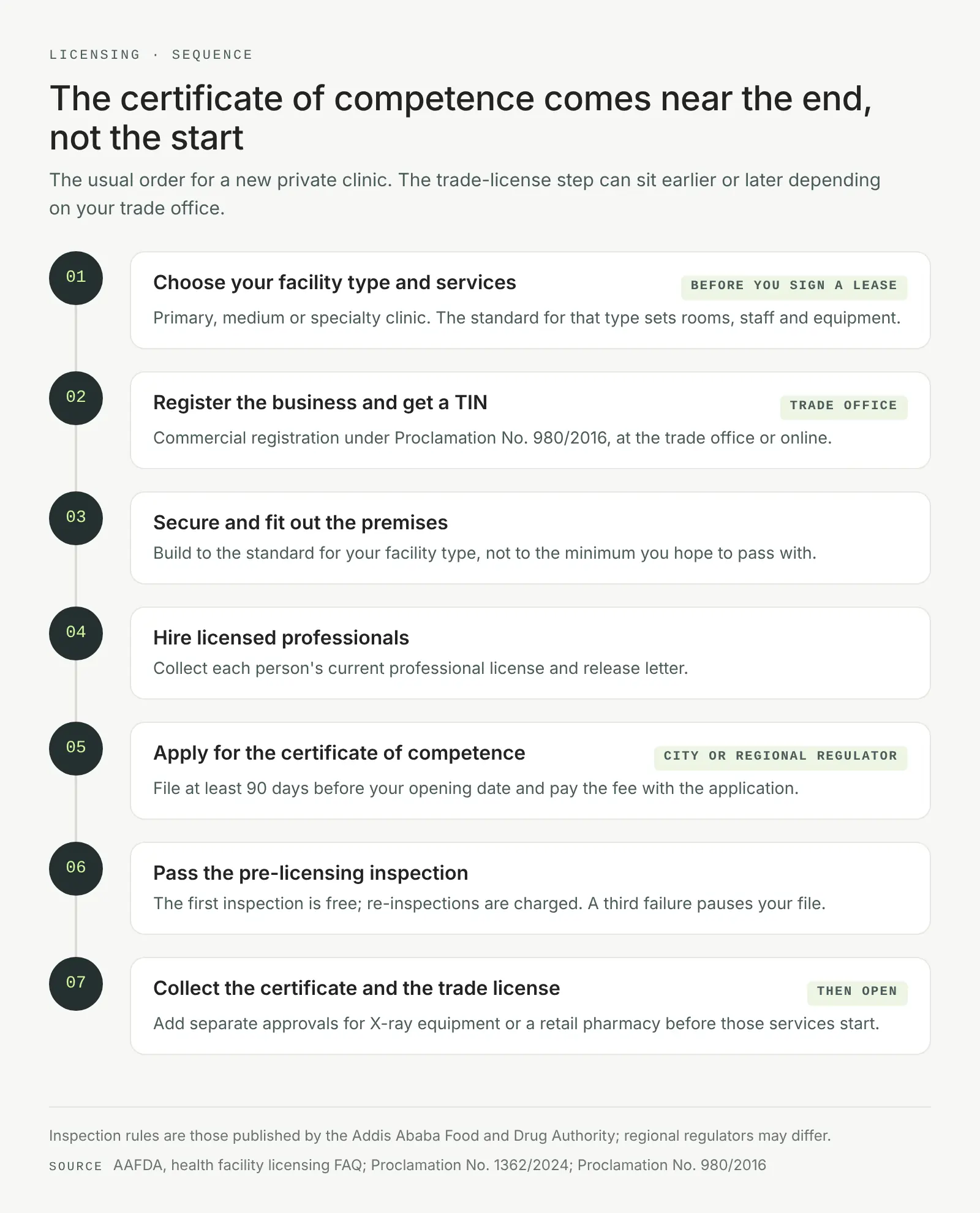
1. Choose the facility type and the services. Do this before you sign a lease. The standard for a primary, medium or specialty clinic decides how many rooms you need, who must be on staff and what equipment you need. The application also asks you to list the services you will offer, and each one you list gets inspected.
2. Register the business. Commercial registration and the trade license come under the Commercial Registration and Business Licensing Proclamation No. 980/2016, and the trade office handles them. You will need a Taxpayer Identification Number (TIN). In 2022 the Addis Ababa Trade Bureau announced an online system through which applicants could also request certificates from the city's food and drug regulator (Addis Fortune).
3. Secure and fit out the premises. Measure the building against the standard before you commit to it. Moving a wall after an inspector has failed it costs far more than choosing a different building.
4. Hire licensed professionals. Every health professional you list needs a current professional license. In Addis Ababa the application asks for each person's qualifications, work experience, license copy and original release letter.
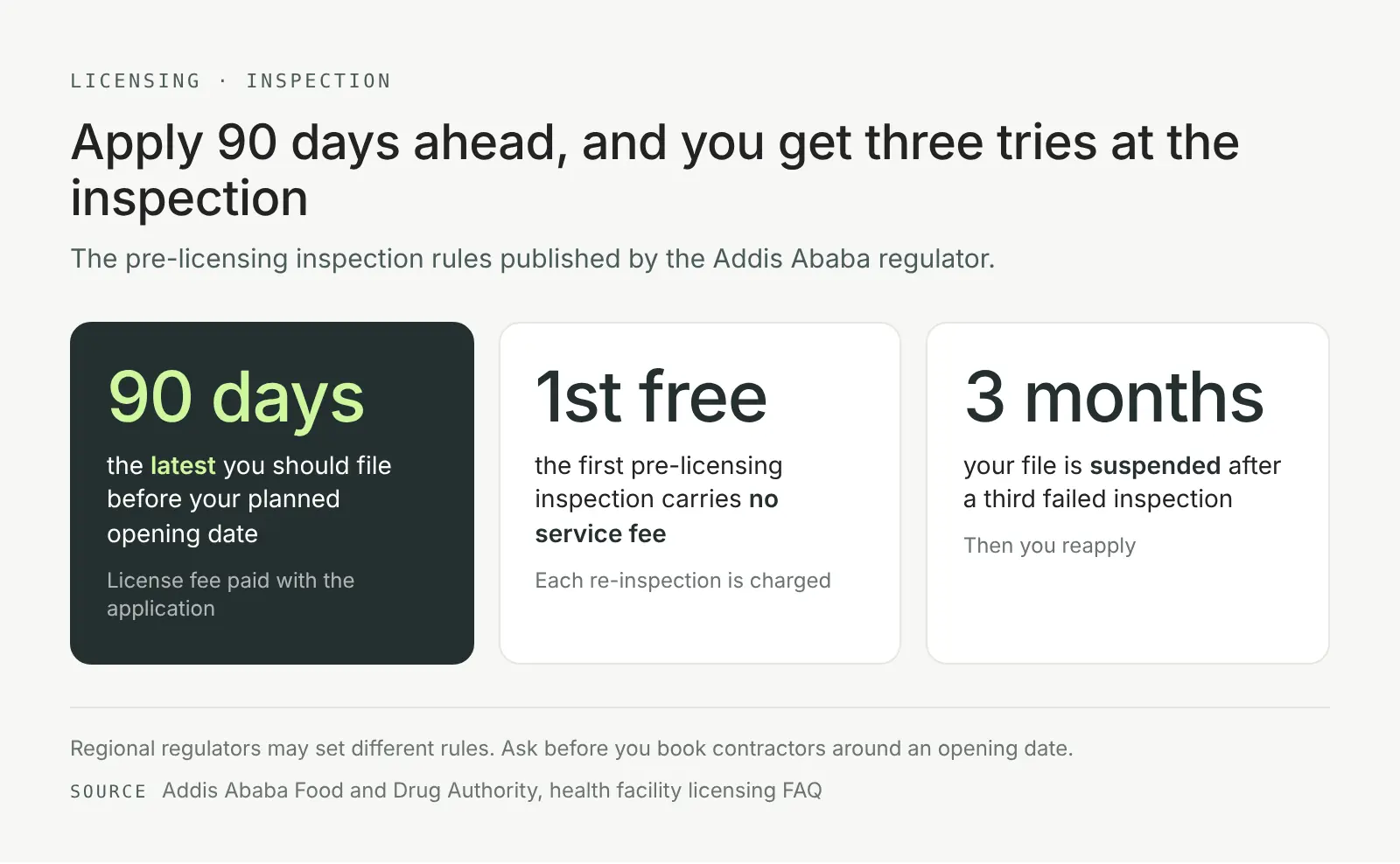
5. Apply for the certificate of competence. AAFDA's FAQ says the first application for a health facility license must reach the regulator no later than 90 days before your planned opening date. The license fee goes in with the application.
6. Pass the pre-licensing inspection. The first inspection is free. If you fail, you can apply again up to two more times, and you pay a fee each time. If you fail a third time, your application is suspended for three months.
7. Collect the certificate and the trade license, then open. If you plan X-ray imaging or a retail pharmacy, get those approvals before those services start (see below).
 Source: Addis Ababa Food and Drug Authority, FAQ.
Certificate of competence or trade license: which comes first?
They are different documents. The certificate of competence is the health regulator's confirmation that your facility meets the standard. The trade license is the trade office's permission to run a business. You need both.
Which one you get first has changed over time. Addis Fortune has reported that the Addis Ababa Trade Bureau cut the number of business types that must show a certificate of competence before getting a trade license to ten. Ask your trade office whether clinics are on the current list before you plan around a date.
What documents do you need for a clinic license?
AAFDA's FAQ lists what the application form asks for. Regional forms differ, so ask for the current form before you start collecting papers.
- Owner: the owner's identity document, proof of ownership, and details of the licensee in charge of the facility.
- Premises: the clinic's name and full location, and a description of the surrounding area.
- Services: every service you will offer.
- Staff: the number and type of health professionals, with each person's qualifications, work experience, original release letter and a copy of their current professional license.
- Payment: the license fee, paid with the application.
- For the trade office: your commercial registration and TIN.
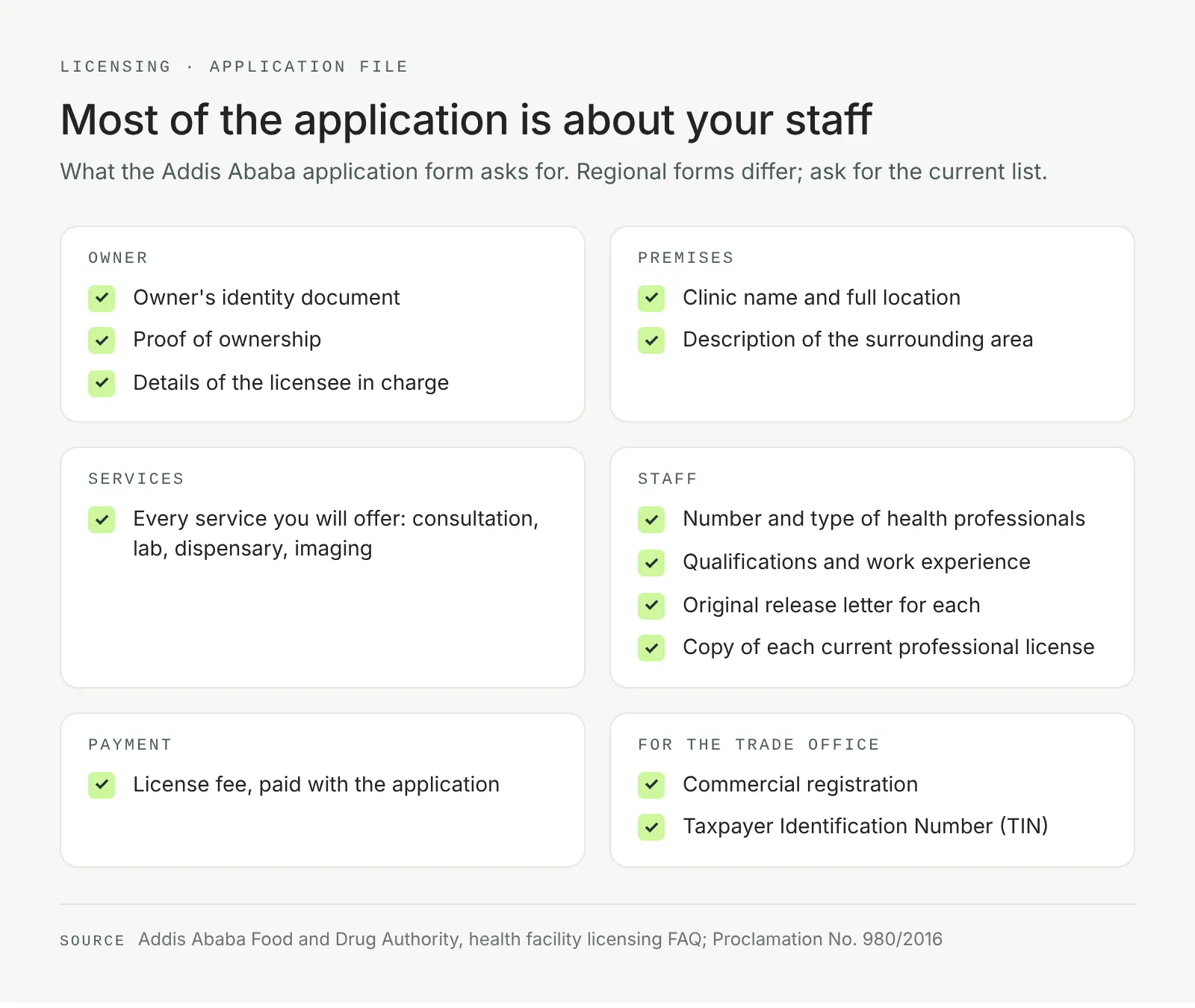 Source: Addis Ababa Food and Drug Authority, FAQ.
Most of the file is about people. Collect release letters and license copies as you hire, not in the week you apply. A professional who has not been released by a previous employer can hold up the whole application.
What does the pre-licensing inspection check?
The inspector compares what you built with the standard for the facility type you applied for. That means rooms, equipment, staffing and each service on your application. Proclamation No. 1362/2024 also expects hygiene, environmental and quality-control arrangements to be in place.
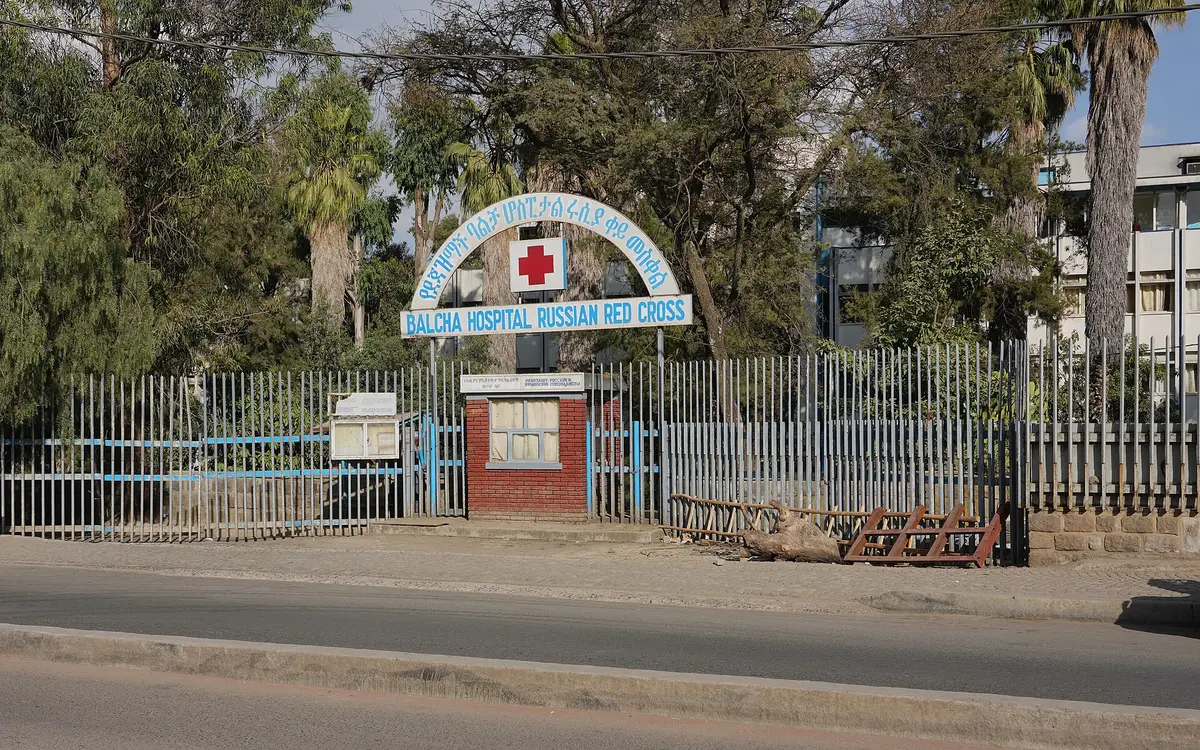 Photo: A.Savin, Free Art License 1.3, via Wikimedia Commons. Every health institution in the city, from hospitals like Balcha to a two-room clinic, needs a certificate of competence.
Before the inspector arrives, get a copy of the standard and walk through it room by room. Check each requirement and note anything missing. Since every re-inspection costs a fee and a third failure costs three months, it is cheaper to find the gaps yourself.
How long does a clinic license take, and what does it cost?
Time. We could not find a guaranteed processing time from any regulator. The 90-day rule in Addis Ababa is the minimum to plan around, not a promise. Every failed inspection adds time, and a third failure adds three months. Plan your lease, hiring and equipment orders so that you are not paying rent and salaries for months before the certificate arrives.
Fees. The federal schedule is in Regulation No. 370/2015, but we could not check its current amounts, and cities and regions set their own. Dire Dawa's October 2026 directive gives a sense of scale. According to The Reporter, a general hospital or medical practice pays ETB 2,500 for a new certificate of competence and ETB 1,250 to renew it. A pharmacy pays ETB 2,000 and ETB 1,000, and a health professional's registration certificate costs ETB 100 (ETB 50 to renew). The directive also charges separately for changing an address or owner. Each service is paid for separately. Other cities and regions charge differently, so ask your regulator for the current fee schedule in writing, and budget for at least one re-inspection.
Which clinic services need their own approval?
X-ray and imaging. Radiation equipment is regulated separately from your clinic certificate, under the Radiation and Nuclear Protection Proclamation No. 1025/2017. For years the regulator was the Ethiopian Radiation Protection Authority (ERPA); its mandate now sits with the Ethiopian Technology Authority, which lists radiation and nuclear licensing among its services. Ask it what it needs before you order or install a machine. Health regulators also license diagnostic imaging centres as their own category; Dire Dawa's new fee schedule lists them separately.
A pharmacy or drug shop. An outlet that sells medicines to the public is licensed in its own right, with its own professional in charge. Pharmacies are run by pharmacists with a degree, and drug stores by druggists with a diploma (see our guide to pharmacy schools). Regulators count and charge these outlets separately from clinics. Dire Dawa's directive has its own line for drug shops, and AAFDA reports pharmacies separately from health institutions in its enforcement figures. If you only want to dispense to your own patients, ask the regulator how your facility standard treats that before you stock medicines.
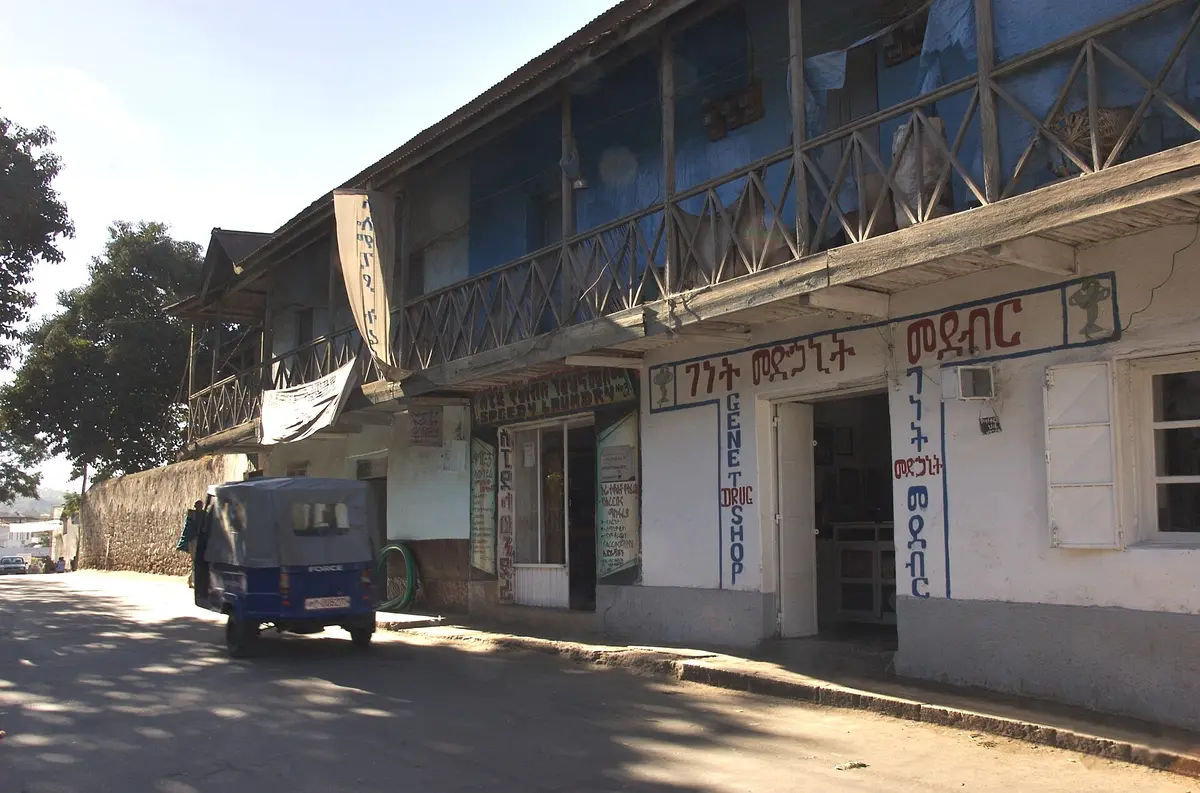 Photo: A. Davey, CC BY 2.0, via Wikimedia Commons
A laboratory. Standalone laboratories are a separate licensing category; Dire Dawa's schedule lists them on their own. A lab inside your clinic goes on your application as a service and is inspected with the clinic. If you want to take samples referred from other facilities, ask whether that changes your category.
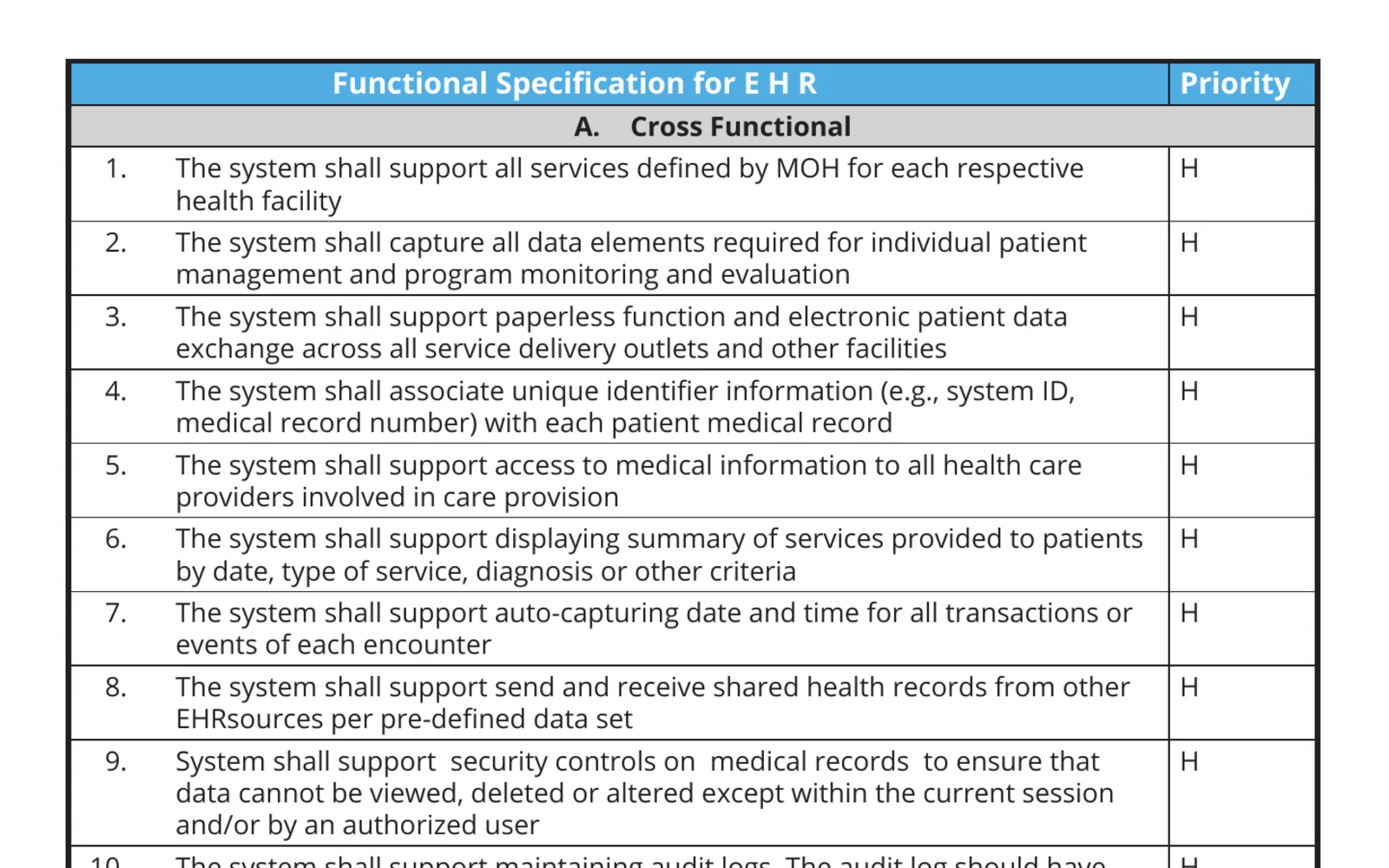
Patient data. This is a registration, not a license, but it starts on day one. Under the Personal Data Protection Proclamation No. 1321/2024, a clinic is a data controller and must register with the Ethiopian Communications Authority before it starts processing data. Our guide to Proclamation 1321/2024 explains the duties. Individual logins and an access log, which Bloom's staff management module provides, cover much of that work.
Clinic license renewal: how often, and what happens?
Every year, after an inspection. AAFDA's certificate of competence directive says a certificate is renewed annually, once an annual inspection confirms you still comply and you have paid the service fee. If your certificate is suspended, revoked or not renewed in the renewal period, you must hand it back within two working days.
Renewal follows the Ethiopian fiscal year, which starts in early July. In June 2026, AAFDA told Addis Ababa's health facilities to renew through its online licensing system for the new fiscal year, and FSX Business reported that facilities missing the final deadline would have their certificates revoked. If you are in Addis Ababa and did not renew, contact the Health Bureau now rather than waiting for an inspector.
Your trade license renews every year too. Capital reported in 2019 that businesses must renew within the first four months of the fiscal year. Check the current window with your trade office.
Other offices will ask for your renewed certificate. For example, the Ministry of Health asks facilities requesting foreign volunteer professionals to attach their renewed license and state their scope of practice.
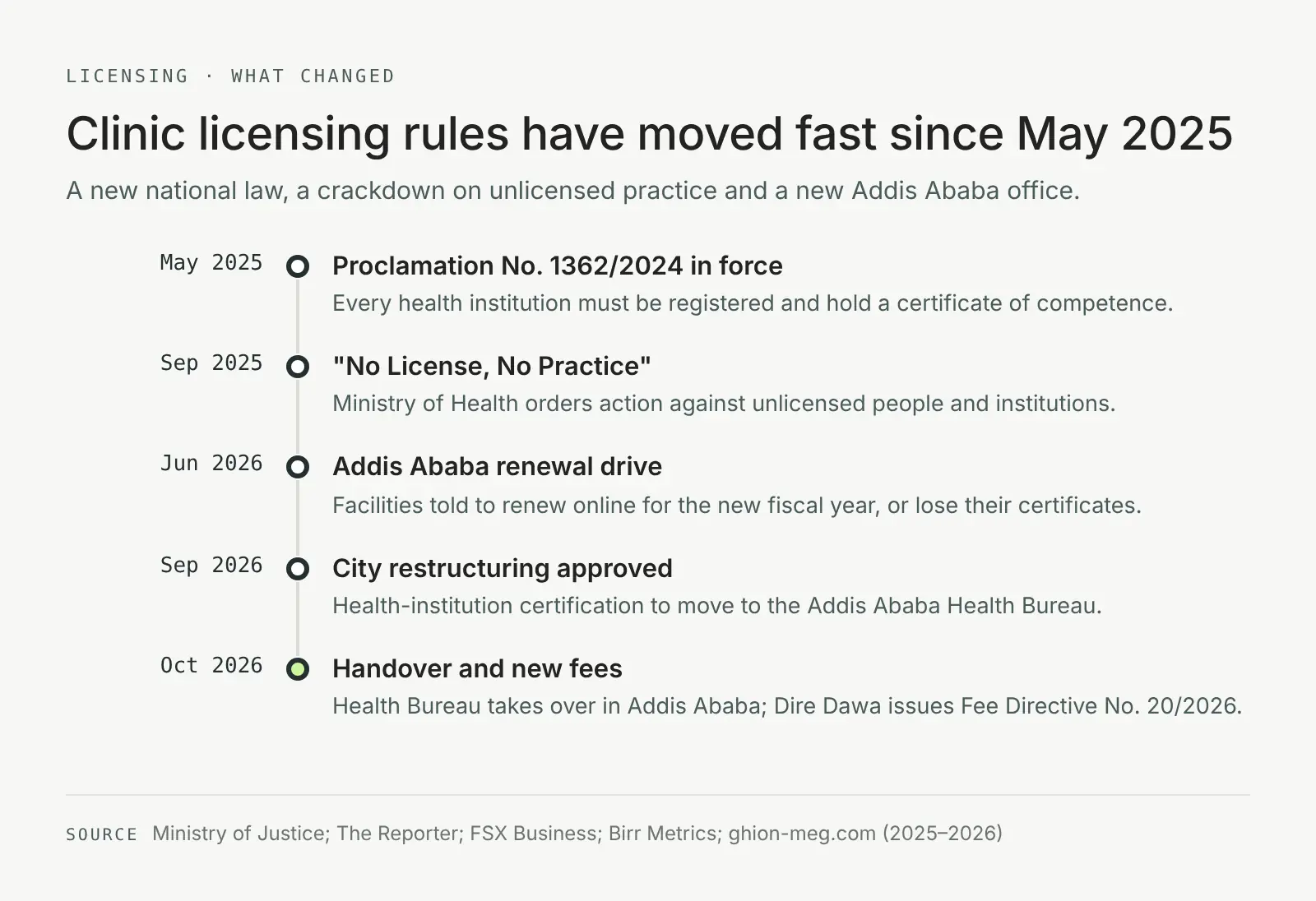 Source: The Reporter, FSX Business and Birr Metrics.
Why do clinics get suspended or closed?
Practising without a license. This is the target of the Ministry's 2025 directive, and it covers unlicensed staff as well as unlicensed facilities.
Not renewing. Missing renewal is enough on its own. In one five-month period reported in 2018, AAFDA took action against 11 of 70 health institutions it monitored. Nine received written warnings; the action against the other two was for not renewing their licenses.
Problems found at inspections after you open. Enforcement is routine, not occasional. In a ten-month period reported in 2025, AAFDA took action against 1,143 establishments: 98 health institutions, 105 pharmacies and 940 food and health-related businesses (ghion-meg.com).
Changing things without telling the regulator. Your certificate was issued for a specific address, owner, service list and staff list. Dire Dawa's new schedule charges separately for address and ownership changes, which tells you the regulator expects to approve them. Report a move, a sale, a new service or the departure of a key professional before it happens, not at the next inspection.
Frequently asked questions
Does EFDA issue clinic licenses in Ethiopia?
No. Under Proclamation No. 1112/2019, the Ethiopian Food and Drug Authority regulates food, medicines, medical devices, cosmetics and tobacco. Your clinic's certificate of competence comes from your city or regional health regulator, under Proclamation No. 1362/2024.
Who issues a private clinic license in Addis Ababa now?
The Addis Ababa City Administration Health Bureau, which took over certification of health institutions from the Addis Ababa Food and Drug Authority in late October 2026, according to press reports. If you started an application with AAFDA before then, ask both offices where your file now sits.
How long is a clinic license valid?
In Addis Ababa, the certificate of competence is renewed every year, after an annual inspection and payment of the service fee. Renewal follows the Ethiopian fiscal year, which starts in July. Other regions may use different rules, so ask your regional regulator.
Can I see patients while my application is being processed?
No. The Ministry of Health's September 2025 directive orders legal and administrative action against any individual or institution providing health services without a license or permit. Plan your opening date around the 90-day lead time and the inspection, not the other way round.
Do I need a separate license for an X-ray machine or a pharmacy?
Yes. Radiation equipment needs an authorisation from the national radiation regulator, now the Ethiopian Technology Authority (formerly the Ethiopian Radiation Protection Authority), on top of your clinic certificate. A pharmacy or drug shop selling to the public is licensed as its own outlet, with a pharmacist or druggist in charge.
Is a clinic license the same as accreditation?
No. The certificate of competence is the legal minimum for operating. Accreditation is a separate Ministry of Health quality programme. It starts with hospitals, under the Ethiopian Hospital Accreditation Standard ES 7191:2025, (released as a draft for public comment in 2025), and Addis Fortune reports plans to extend it to health centres, laboratories and diagnostic centres.
Sources
Laws and regulations
- Ministry of Justice. Health Service Administration and Regulation Proclamation No. 1362/2024, legal database entry (in force; dated 20 May 2025).
- Ministry of Health. Health Service Administration and Regulation Proclamation No. 1362/2024, Federal Negarit Gazette text (PDF).
- Ethiolex. Proclamation No. 1362-2024: The Health Service Administration and Regulation Proclamation (summary; source for the repeal of Proclamation 661/2009 on matters the new law covers).
- Ethiodata. Health Service Administration and Regulation Proclamation No. 1362/2024 (summary).
- Resolve to Save Lives. Ethiopia adopts proclamation to improve delivery of health services, 2025.
- Ethiopian Food and Drug Authority. Food and Medicine Administration Proclamation No. 1112/2019 (PDF).
- Ethiopian Food and Drug Authority. Food, Medicine and Healthcare Administration and Control Council of Ministers Regulation No. 299/2013.
- Chilot. Rate of Service Fees for Food, Medicine, Health Professional and Health Institutions Registration and Licensing Council of Ministers Regulation No. 370/2015.
Regulators
- Addis Ababa Food and Drug Authority. Frequently asked questions (application contents, 90-day rule, inspection attempts).
- Addis Ababa Food and Drug Authority. Providing certification to health institutions.
- Addis Ababa Food and Drug Authority. Certificate of competence directive (annual renewal; return of the certificate).
- Addis Ababa Food and Drug Authority. Action taken on 11 of 70 health institutions monitored in five months, 2018.
- Ministry of Health. Licensure requirements for foreign volunteers.
- Ministry of Health. Ethiopian Hospital Accreditation Standards ES 7191:2025, draft for public comment (PDF, Amharic), 2025.
Restructuring and enforcement news
- Birr Metrics. Addis Ababa dissolves traffic authority in sweeping government restructuring, 30 September 2026. Source for the move of health-institution certification to the Health Bureau.
- ghion-meg.com. 4 ሀላፊነቶች ከአዲስ አበባ ምግብና መድኃኒት ባለስልጣን ወደ ጤና ቢሮ ተዘዋወሩ ("Four responsibilities transferred from the Addis Ababa Food and Drug Authority to the Health Bureau"), October 2026.
- ghion-meg.com. የአዲስ አበባ ምግብና መድኃኒት ባለስልጣን 1ሺ1መቶ43 ተቋማት ላይ እርምጃ ወሰደ ("Addis Ababa Food and Drug Authority takes action against 1,143 institutions"), 2025.
- FSX Business. Addis Ababa warns health facilities of licence revocations after October, June 2026.
- FSX Business. Addis Ababa to abolish feeding agency, 1 October 2026. Describes the restructuring as a draft proclamation still in the legislative process.
- The Reporter. Health Ministry clamps down on unqualified practitioners with new licensing directive, September 2025.
- The Reporter. Dire Dawa overhauls health sector fees after years of unchanged tariffs, October 2026.
Trade licensing and accreditation
- Addis Fortune. Digitalization disappoints in drawn-out trade license procedures.
- Addis Fortune. Trade bureau to launch online registration, easing hassles, September 2022.
- Capital. City investigates 70,000 business licenses, July 2019.
- Addis Fortune. New standard introduces sweeping hospital accreditation overhaul.
See Bloom in your clinic
Fewer no-shows, less paper, cleaner billing — in one calm system your team will actually use. Book a short demo and we'll show you how.